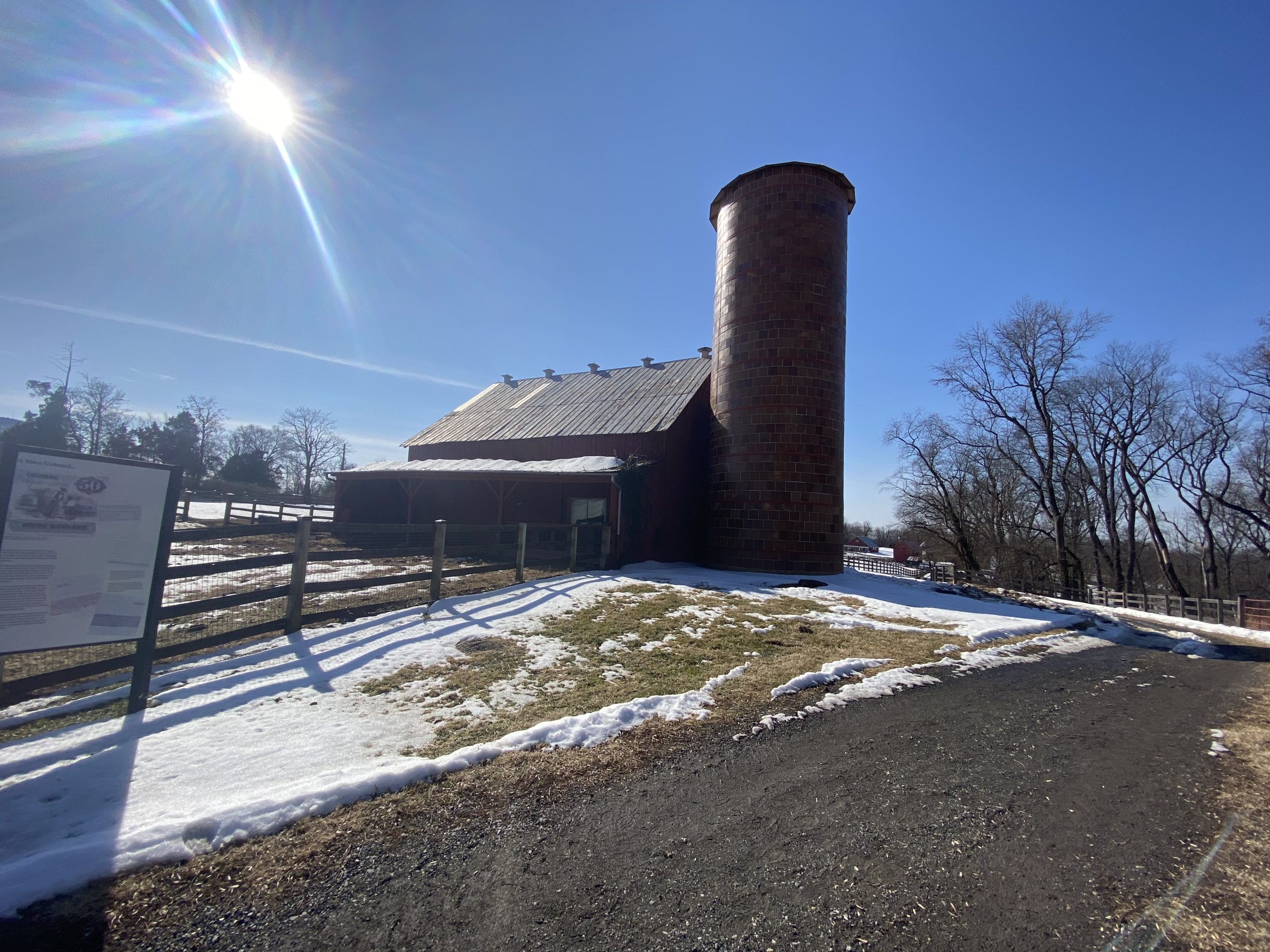
15 Amazing National Parks in Maryland Worth Seeing (By A Local)

Not sure which Maryland national park to visit?
When I moved to the DMV (DC, Maryland, Virginia) area over two decades ago, I was in awe of all the national parks. It seemed like there was one on every corner! Well, that’s not quite the case, but sometimes it really feels that way.
Whether you are looking for a breathtaking view after a challenging hike or want to learn more about Maryland’s rich history, I’ve got you covered! I’ll share my favorite aspects of 15 national parks in Maryland along with tips for activities, views, and more.
And because I’ve visited many of these Maryland national parks multiple times, I can confidently recommend them!
15 Must-See National Parks in Maryland
Originally, I was going to organize these into nature-oriented parks and history-oriented parks, but most national parks offer both nature and history, so I’ll list them all together!
1. Antietam National Battlefield
When you approach Antietam National Battlefield, it’s hard to imagine the peaceful countryside was once the site of 23,000 deaths in a single day in 1862. Thanks to the efforts of the National Park Service, this hallowed ground is now one of the most well-kept testaments to the Civil War.
Antietam has several unique landmarks, including the Dunker Church and the Pry House Field Hospital Museum. But my favorite site is the Burnside Bridge, an old stone bridge spanning Antietam Creek. And if you’re a nature lover, I recommend walking the Snavely Ford trail that winds along the creek.
Whether you’re a history lover or a nature lover, Antietam National Battlefield is a must-see Maryland National Park that you’re sure to find deeply moving.
2. Assateague Island National Seashore
From driving on the beach (permit required) to droves of mosquitoes each summer, Assateague National Seashore is one of my favorite National Parks in Maryland because it reminds me of growing up in Florida.
Assateague Island’s most famous residents are the wild horses, which have descended from once-tame horses. Each July, the Virginia horses swim to the Maryland side of the island, where foals are auctioned off to help control the size of the herd.
Assateague Island also offers numerous outdoor activities, from hiking to kayaking to enjoying a day at the beach. On clear nights throughout the year, visitors can get clear views of the Milky Way and various stars and planets without the interference of city lights.
3. Catoctin Mountain National Park
Located in northern Maryland, Catoctin Mountain National Park is steeped in both nature and history. Home to the well-known presidential retreat, Camp David (not open to the public), the park offers several quality hiking trails and fishing streams.
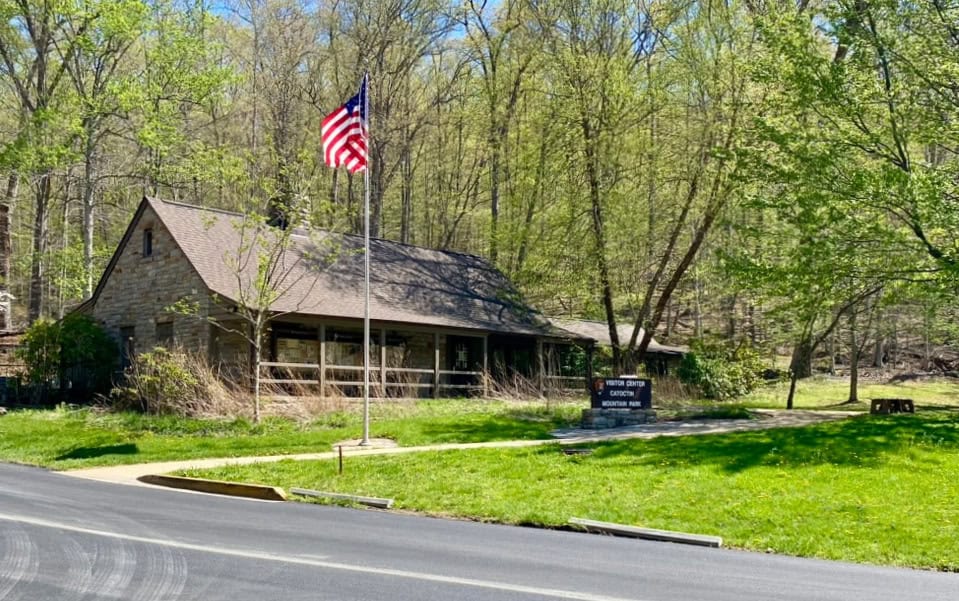
For those heading to Catoctin Mountain to learn more about the park’s historical significance, I recommend the Blue Blazes Whiskey Still Exhibit. This is an easy hike from the Visitors Center, and the scenery is quite nice! Visitors can also see the inner workings of the Owens Creek Sawmill.
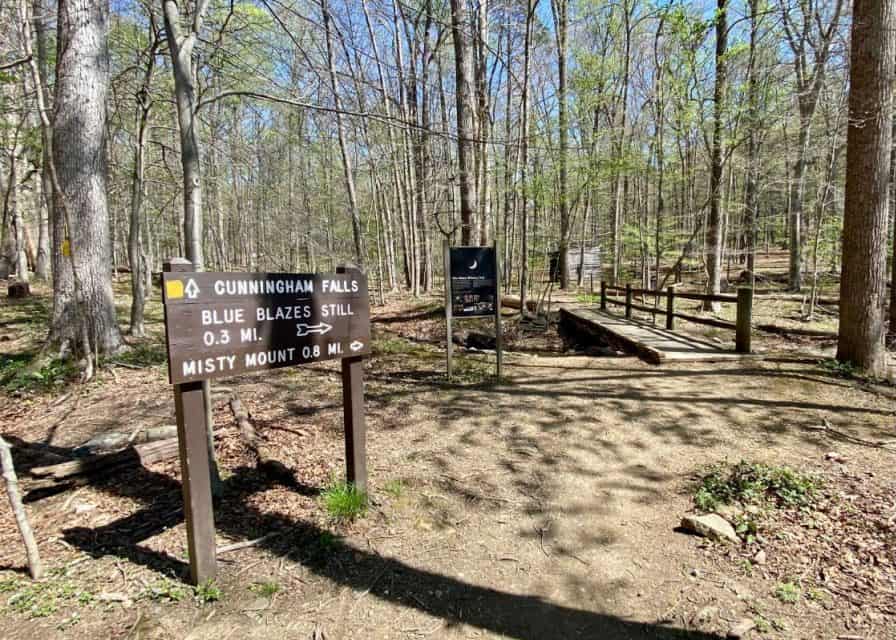
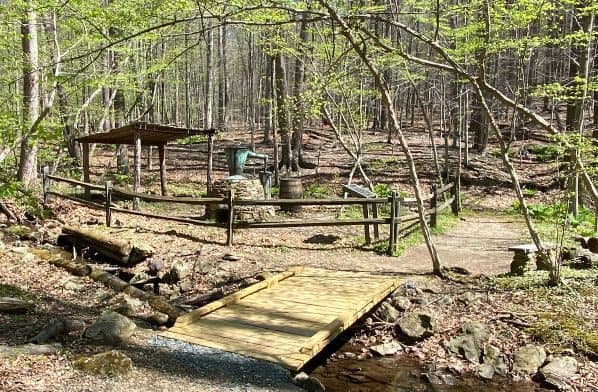
Catoctin Mountain is also home to popular and well-maintained hiking trails, including Chimney Rock, Cunningham Falls, and Wolf Rock. Other recreational activities permitted in the park include fishing, horseback riding, and rock climbing (be sure to speak with a park ranger to understand the regulations for these activities). However you decide to spend your time at Catoctin Mountain, it will be a day well spent!
4. Chesapeake & Ohio (C&O) Canal National Historical Park
At 184.5 miles long, the Chesapeake and Ohio Canal (C&O Canal) National Historical Park is certainly the longest National Park in Maryland! Built to move goods along the Potomac River, the C&O Canal towpath runs from Cumberland, Maryland, all the way to Georgetown, providing opportunities for hiking, running, and biking.
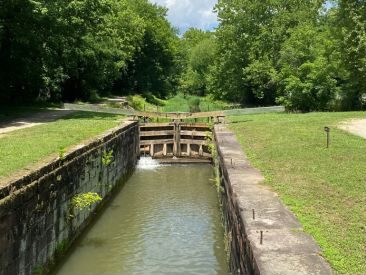
Many of the 74 locks along the C&O Canal have unique features worth exploring. I recommend the Monocacy Aqueduct for its stone arches. Or check out Great Falls Tavern, located at Lock 20, which now serves as one of the park’s visitor centers. You can even spend the night in one of the historic lockhouses!
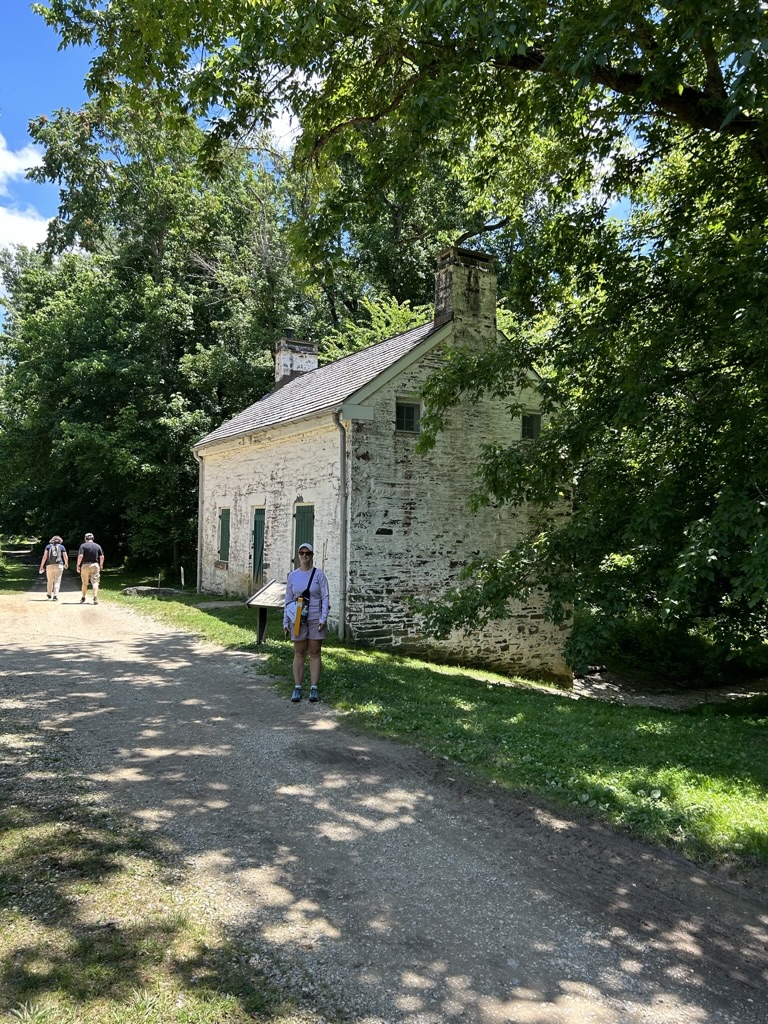
My favorite stop along the C&O Canal is the Paw Paw Tunnel, which was carved through sold rock and lined with over 6 million bricks! I just can’t wrap my head around how tough that would have been in 1850 when the tunnel opened – be sure to take a flashlight!
5. Fort McHenry National Monument and Historic Shrine
Probably most famous for being the birthplace of The Star-Spangled Banner, Fort McHenry National Monument and Historic Shrine is a star-shaped bastion in Baltimore, Maryland. During the Battle of Baltimore in 1812, American forces at the fort successfully defended the harbor against a British naval attack.
I do recommend paying the $15 entrance fee to go into the actual fort, where you can see artifacts and learn more about Fort McHenry’s history. Much of the fort is original, and you can see the large cannons up close. Visitors can also walk around the grounds for free, taking in beautiful views of Baltimore Harbor. In fact, Fort McHenry is one of the stops offered by the Baltimore Water Taxi!
6. Fort Washington National Park
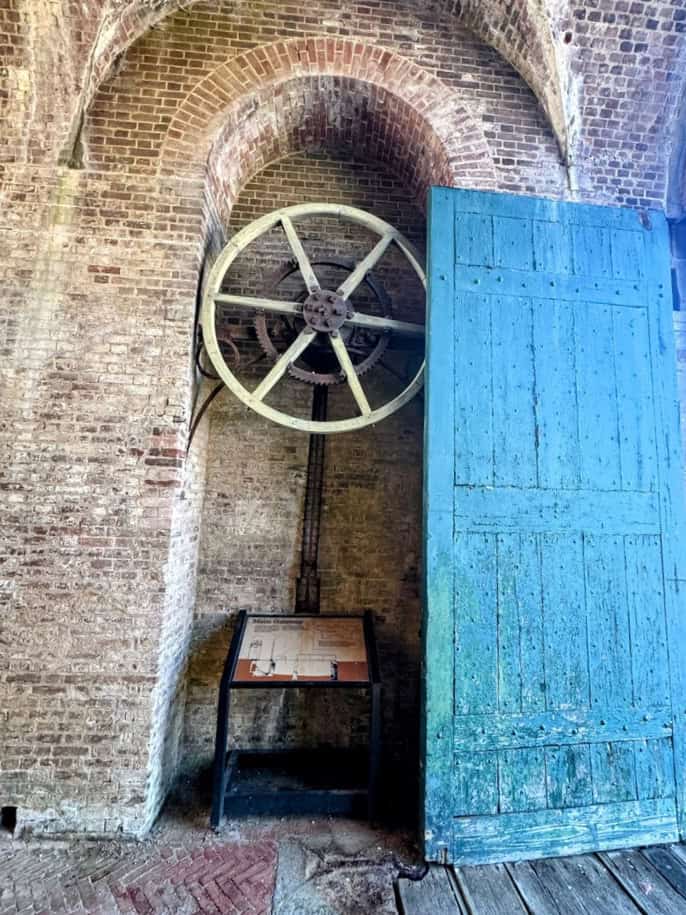
Built in the 1820s to protect Washington DC, Fort Washington National Park sits on the Potomac River just south of the city and has both history and nature. Visitors can explore the old fort, including the large iron wheels that were used to move cannons in and out of the gun pits.
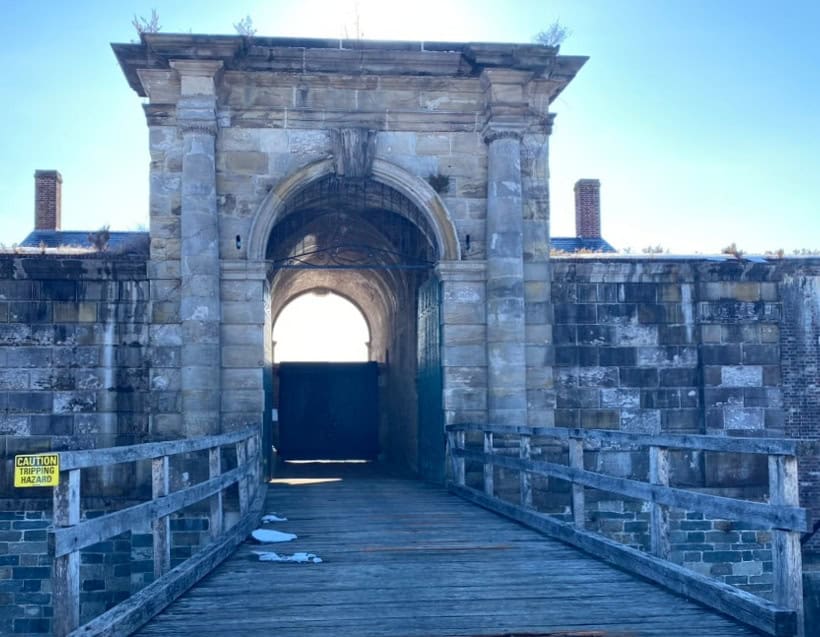
Visit the bright yellow commander’s house, now a visitor center, to learn more about the fort.
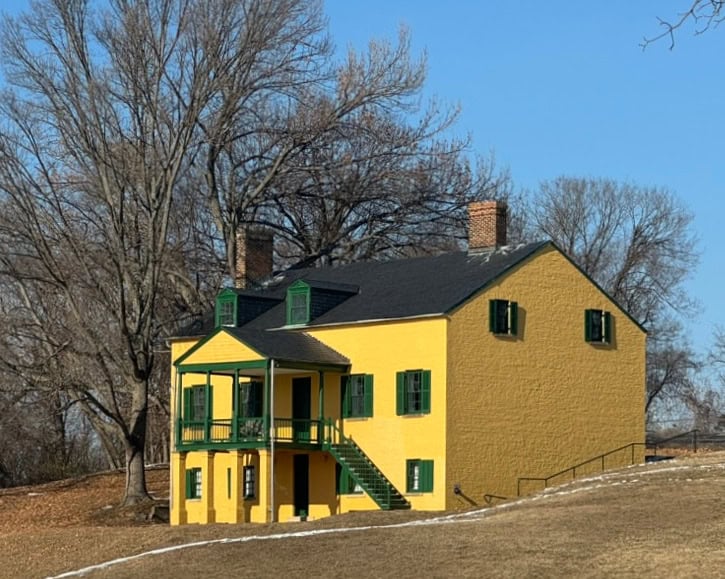
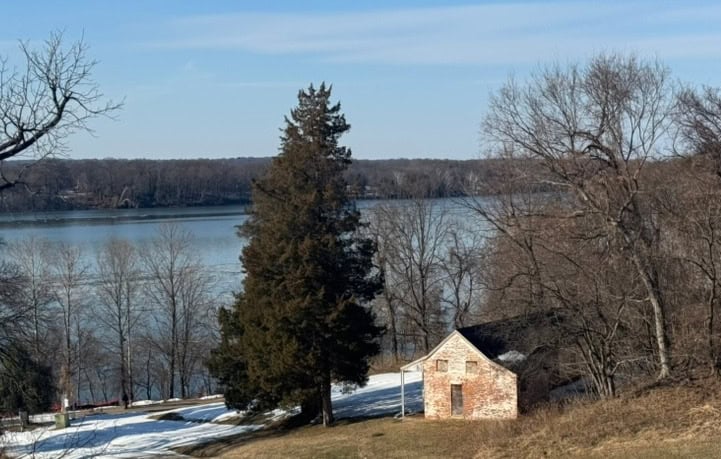
Although most paths throughout Fort Washington National Park aren’t paved, they are well-worn and make for easy walking. The 3-mile Perimeter Trail provides access to the Potomac River and a small lighthouse. It’s especially worth the walk at sunset!
7. Glen Echo National Park
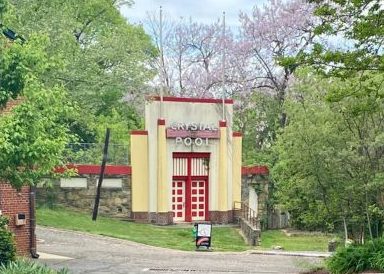
Glen Echo National Park in Maryland opened in 1891 as an educational space and was later transformed into an amusement park. In 1968, the National Park Service took it over and preserved this neat little piece of history nestled in suburban Maryland.
The highlight of Glen Echo National Park is the Dentzel Carousel, a 100-year-old merry-go-round that draws over 50,000 riders every year. And even if you decide not to take a ride, it’s worth the visit to admire the hand-carved horses and other animals.
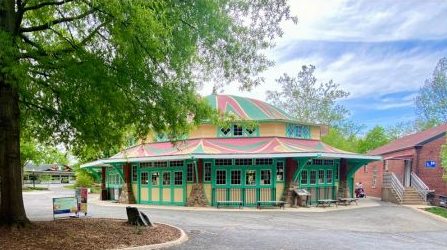
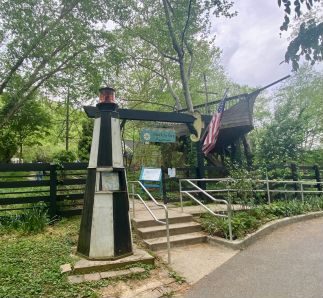
Many of Glen Echo’s buildings have been converted to other family-friendly activities, including art studios, a puppet theatre, and the Glen Echo Aquarium. With its unique history and art deco architecture, this national park is worth a visit if you’re in Maryland!
8. Greenbelt National Park
Greenbelt National Park in Greenbelt, Maryland, is a self-declared urban oasis located just 12 miles outside of Washington, D.C. Designated a national park in 1950, the land was once hunting grounds for Native American tribes and then farmland for Europeans.
It is not unusual to spot deer, squirrels, various bird species, and other critters along the 9 miles of hiking trails. My trail recommendations include the Perimeter Trail for a long walk or the Dogwood Trail for a more family-friendly walk.
Admission to Greenbelt National Park is free, and the park also hosts free campfire programs, covering local history and wildlife. Spanning nearly 1,200 acres of land in urban Maryland, this park offers visitors opportunities for hiking, camping, and taking in nature without going outside the Capital Beltway!
9. Hampton National Historic Site
Hampton National Historic Site, a national park near Towson, Maryland, preserves the remains of an 18th-century Georgian mansion. Once considered the largest private home in America, it was the center of a 25,000-acre plantation owned by the Ridgely family.
Visitors can explore the plantation ground, which includes formal gardens, trails, a lower farm, and the original slave quarters. The grounds also include a family cemetery with a mausoleum dating back to 1830, as well as historic stables housing Ridgely family carriages.
By exploring all this site has to offer, you will get a deeper understanding of how both the wealthy and enslaved lived during the 18th century. If you plan to visit the mansion, you must book a guided tour in advance, and spaces are limited, so plan in advance.
10. Harpers Ferry National Historical Park
Harpers Ferry National Park actually sits in both Maryland and West Virginia, where the Potomac and Shenandoah Rivers meet. The park is home to John Brown’s 1859 Raid, which helped spark the Civil War.
If you enjoy a challenging and rewarding hike, I highly recommend the Maryland Heights Trail. This steep climb has breathtaking views of the town, the rivers, and the surrounding countryside. But it is popular and can be busy!
You can also head into the historic town of Harpers Ferry in West Virginia. Here you’ll find old buildings, historic landmarks, quaint shops, and restaurants. Or pop across the river bridge to access the C&O Canal (see number 4 on this list), another National Park in Maryland, offering a flat, scenic walk!
11. Harriet Tubman Underground Railroad National Historical Park
The Harriet Tubman Underground Railroad National Historical Park honors the most famous “conductor” who risked her life to lead many to freedom. Located on Maryland’s Eastern Shore, the National Park protects the same landscapes that Tubman navigated.
A top highlight at the park is the Visitor Center, which features exhibits about Tubman’s life, along with a theater, gift shop, and library. Outside, you can walk through the Legacy Garden.
The visitor center also serves as the starting point for the Harriet Tubman Underground Railroad Byway, a self-guided driving tour with 36 related sites across Maryland’s Eastern Shore. Be sure to stop at the Bucktown Village Store, where Tubman was hit in the head after trying to help an enslaved man.
12. Monocacy National Battlefield
Monocacy National Battlefield sits just southeast of Frederick, Maryland, honoring the site of a Civil War battle known as “The Battle That Saved Washington.” Though the Confederates won the battle, their advance on Washington D.C. was slowed just enough for Union reinforcements to reach the city.
I recommend stopping into the Visitor Center, where you can check out an electric map orientation program, interactive exhibits, and Civil War artifacts. The Visitor Center is open Thursdays through Mondays from 9 AM to 5 PM, and admission is completely free.
From there, head out to one of the hiking trails that wander past historic farmsteads. My personal favorite is the Gambrill Mill Trail, where you can see the Monocacy River and wildlife (for more information on this trail, check out my post on Hiking in Maryland). And if hiking isn’t your thing, this National Park offers a self-guided car tour that lets you see historical sites such as Worthington Farm.
13. Oxon Cove Park & Oxon Hill Farm
Head just south of Washington DC and you’ll find Oxon Cove Park and Oxon Hill Farm, two national parks in one convenient Maryland location! Start your visit at the 19th-century farm where you can get up close to chickens, pigs, horses, and cows. Then follow the Oxon Cove Trail down to the Potomac River for a bit of exercise and fresh air!
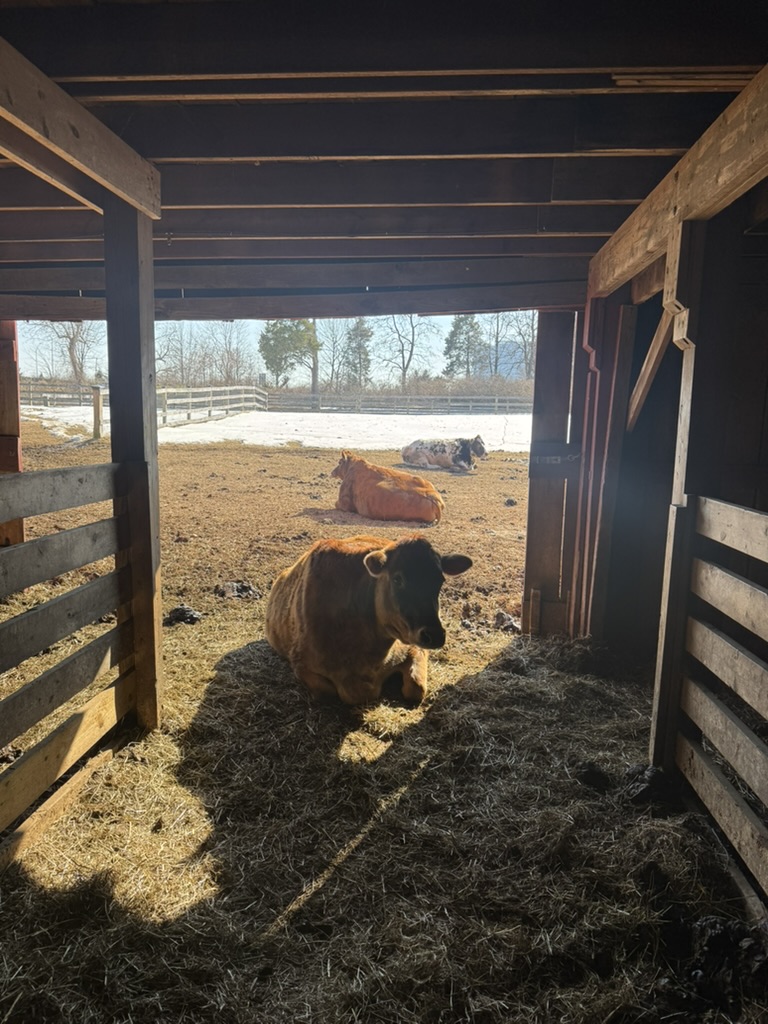
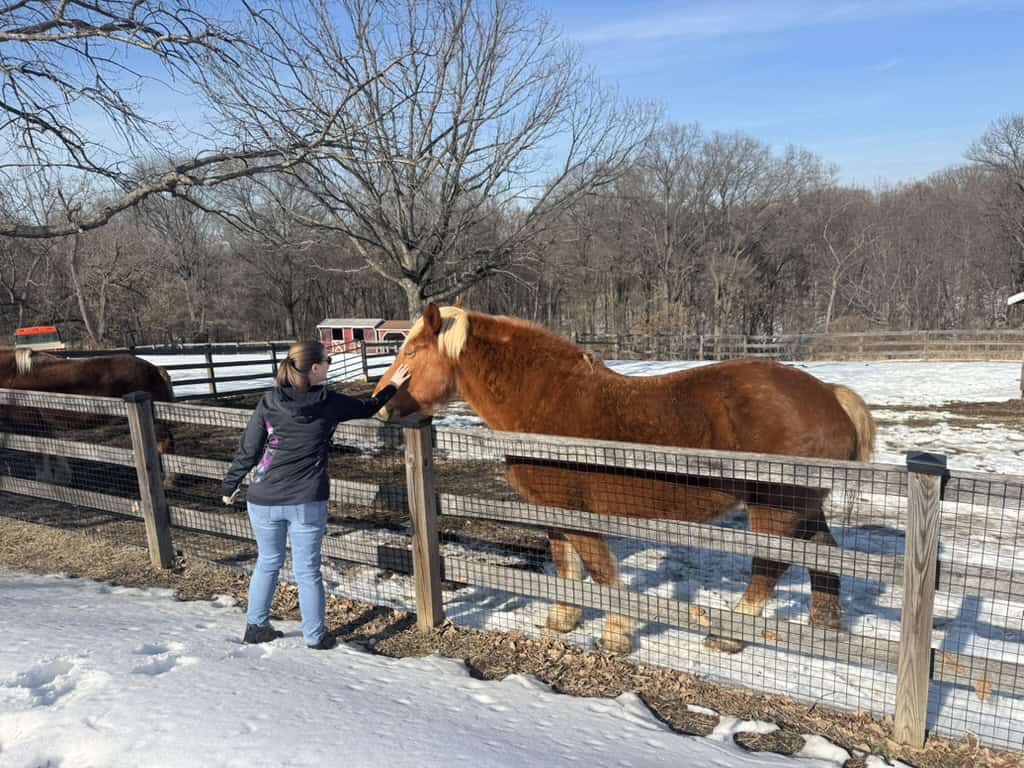
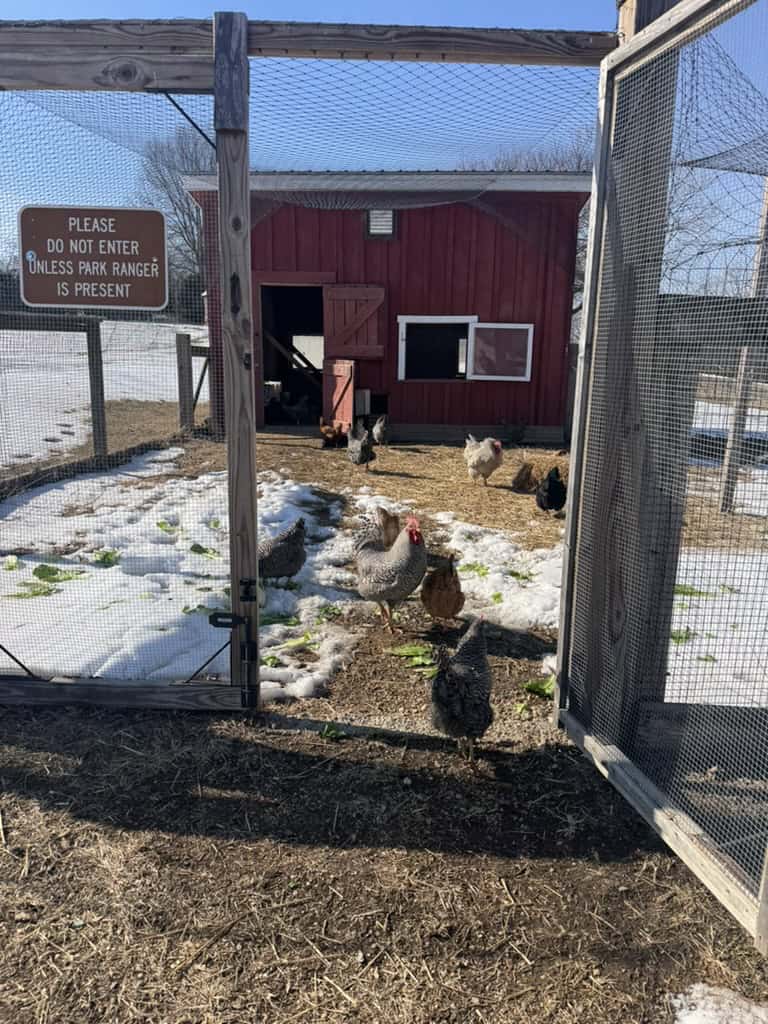
Although I went with a friend, I think these two Maryland National Parks would be great for families with kids. You can easily explore the working farm with minimal walking, although most paths are unpaved. The open setting allows space for little ones to burn off energy without getting lost in large crowds.
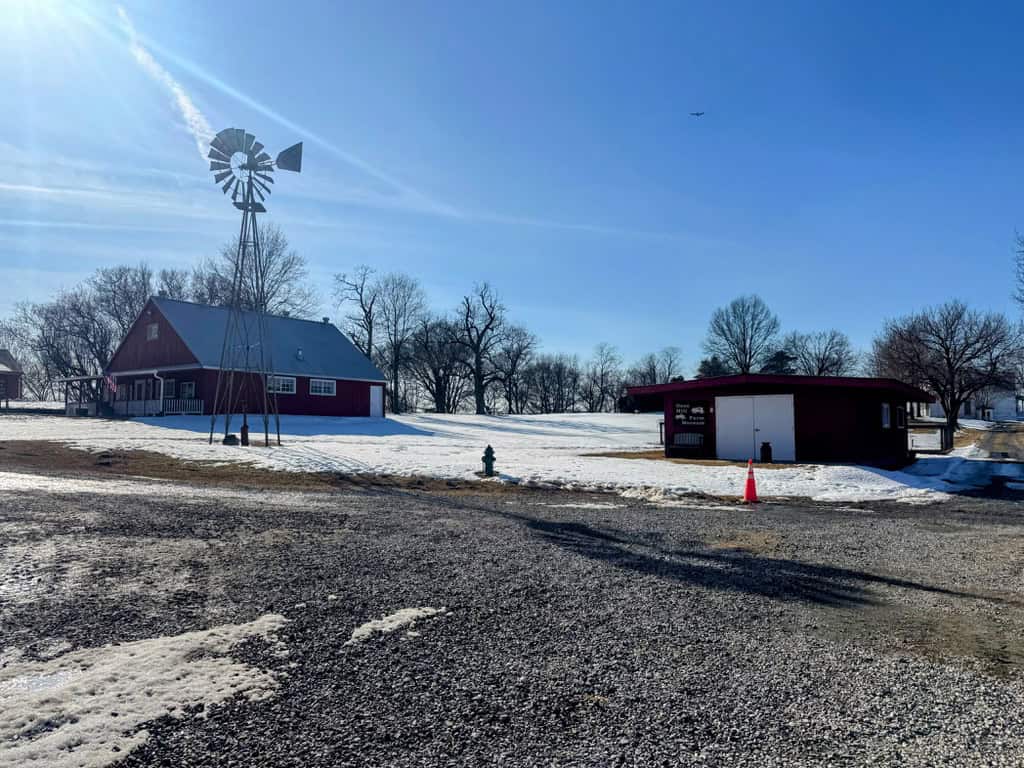
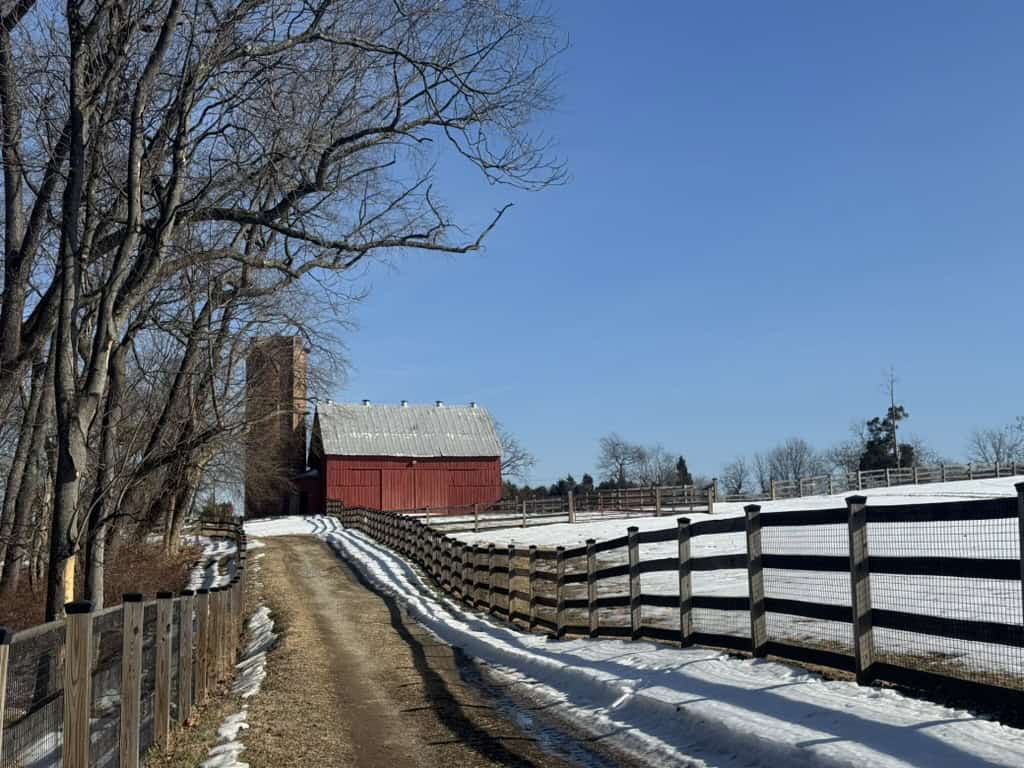
I combined my visit to the Oxon Hill parks with a visit to Fort Washington National Park, since they are only about 10 miles apart on Maryland 210. And, be sure to head further south to Piscataway National Park if you want to make a day of great local history and nature!
14. Piscataway National Park
Piscataway National Park is a riverside park that protects the scenic view seen from George Washington’s Mount Vernon. But as the ancestral homeland of the Piscataway people, this Maryland national park holds deep cultural value. It is a quiet place where you can enjoy nature and history without traveling a long way from Washington DC.
The 18th-century National Colonial Farm is one of the park’s most notable attractions. You can see the farm’s livestock, including endangered species like American Milking Devon cattle, Hog Island sheep, and Java chickens. The farm also grows crops such as tobacco and corn.
Piscataway National Park also offers several miles of easy walking trails that lead through woods, meadows, and tidal wetlands. Visitors may encounter bald eagles, beavers, deer, and ospreys along the boardwalks or go fishing along the pier (license required).
15. Thomas Stone National Historical Site
Thomas Stone National Historic Site in Charles County, Maryland, is the home of Thomas Stone, a signer of the Declaration of Independence. Visitors can tour the colonial mansion home and see his original writing desk, furnishings, and outbuildings.
The trails were family-friendly, and you will see fields, woods, and wildlife. The park also includes a small family cemetery where Thomas Stone is buried near the main home.
The visitor center is open Thursdays through Sundays from 10 AM to 4 PM, but the park does close from early December through April for winter. This park is one of the lesser-visited parks, which I found especially peaceful.
Map
FAQs
So what other information is useful before you head out on your Maryland National Parks adventure? I think the following information can be pretty handy!
How many national parks are there in Maryland?
This seems like a really easy question to answer, but it’s actually a bit tricky! The National Park Service claims 18 National Parks in Maryland. However, they list 27, which include national parks, seashores, scenic and historic trails, and even a parkway. Either way, there are plenty to choose from!
What is the entry fee for national parks in Maryland?
Most National Parks in Maryland are free to enter. Antietam, Assateague Island, and Fort McHenry all have fees that range from $10-$25 per person.
When is the best time to visit Maryland’s national parks?
Most national parks in Maryland are open year-round to visitors. During the autumn leaf season and on weekends, many national parks can get crowded.
Conclusion
With so many national parks in Maryland to choose from, there is something for everyone. I hope telling you about my favorites encourages you to get out and explore to find (or revisit) your favorite!